Most American shoppers are surprised to learn that over 60 percent regularly purchase products from international grocery markets without realizing it. Exploring foods from around the world connects people to new culinary traditions and brings authentic flavor into everyday meals. This guide breaks down what international grocery truly means, uncovers common myths, and reveals how these specialty markets are reshaping the way Americans eat.
Table of Contents
- International Grocery Defined And Common Myths
- Major Product Categories And Regional Variations
- How Online International Grocery Platforms Operate
- Sourcing, Quality, And Delivery Logistics Explained
- Key Challenges For Businesses And Consumers
Key Takeaways
| Point | Details |
|---|---|
| International Grocery Encompasses Diverse Offerings | It includes not only exotic ingredients but also staple foods, condiments, and packaged goods reflecting various cultural traditions. |
| Myths Surrounding International Grocery | Common misconceptions include that it’s only for specialty diets, always expensive, or inconsistent in quality; this is not the case. |
| Online Platforms Enhance Accessibility | These platforms bridge culinary gaps by offering multilingual interfaces, real-time inventory, and education on global cuisines. |
| Challenges in Sourcing and Logistics | Both businesses and consumers face challenges related to quality control, regulatory compliance, and navigating unfamiliar products. |
International Grocery Defined and Common Myths
International grocery represents a specialized market segment focused on importing and distributing food products from diverse global regions, allowing consumers to explore authentic culinary experiences beyond local offerings. Unlike standard supermarket selections, international grocery encompasses ingredients, packaged goods, and specialty items sourced directly from their countries of origin.
Contrary to popular misconceptions, international grocery is not just about exotic or rare ingredients. The market spans a wide range of product categories including staple foods, condiments, snacks, beverages, and cooking essentials that reflect genuine cultural cooking traditions. These products serve multiple consumer segments: expatriate communities seeking familiar tastes, culinary enthusiasts experimenting with global cuisines, and home cooks looking to expand their recipe repertoires.
Several persistent myths surround international grocery that deserve clarification:
- Myth 1: International Grocery is Only for Specialty Diets
- Reality: These markets serve diverse consumer needs, from everyday cooking to gourmet exploration
- Myth 2: Products Are Always Expensive
- Reality: Many international grocery items are competitively priced, especially when purchased in bulk or through specialized online platforms
- Myth 3: Quality is Inconsistent
- Reality: Reputable international grocery providers maintain strict quality control and import regulations
Understanding international grocery requires recognizing its role in cultural exchange and culinary diversity. These markets do more than sell products they create connections between global food traditions and local consumer experiences.
Pro Tip: Ingredient Research: Before purchasing unfamiliar international ingredients, spend 10-15 minutes researching proper storage methods and basic preparation techniques to maximize your culinary adventure and prevent potential waste.
Major Product Categories and Regional Variations
International grocery encompasses a rich and diverse spectrum of product categories that reflect the culinary nuances of different global regions. Retail internationalization strategies reveal complex patterns of food sourcing and distribution, highlighting how regional variations significantly impact consumer preferences and market dynamics.
Primary product categories in international grocery typically include:
- Staple Grains and Starches
- Rice varieties from Asia
- Wheat products from Middle Eastern regions
- Corn and quinoa from Latin American markets
- Spices and Condiments
- Indian masala blends
- Mexican chili powders
- Southeast Asian sauce collections
- Preserved and Packaged Foods
- European cured meats
- Asian pickled vegetables
- Mediterranean olive products
Regional variations dramatically influence product availability and characteristics. For instance, international retailers must navigate complex federal standards when importing ethnic products, ensuring authenticity while meeting local regulatory requirements. These variations extend beyond ingredients to packaging, preparation methods, and cultural significance.
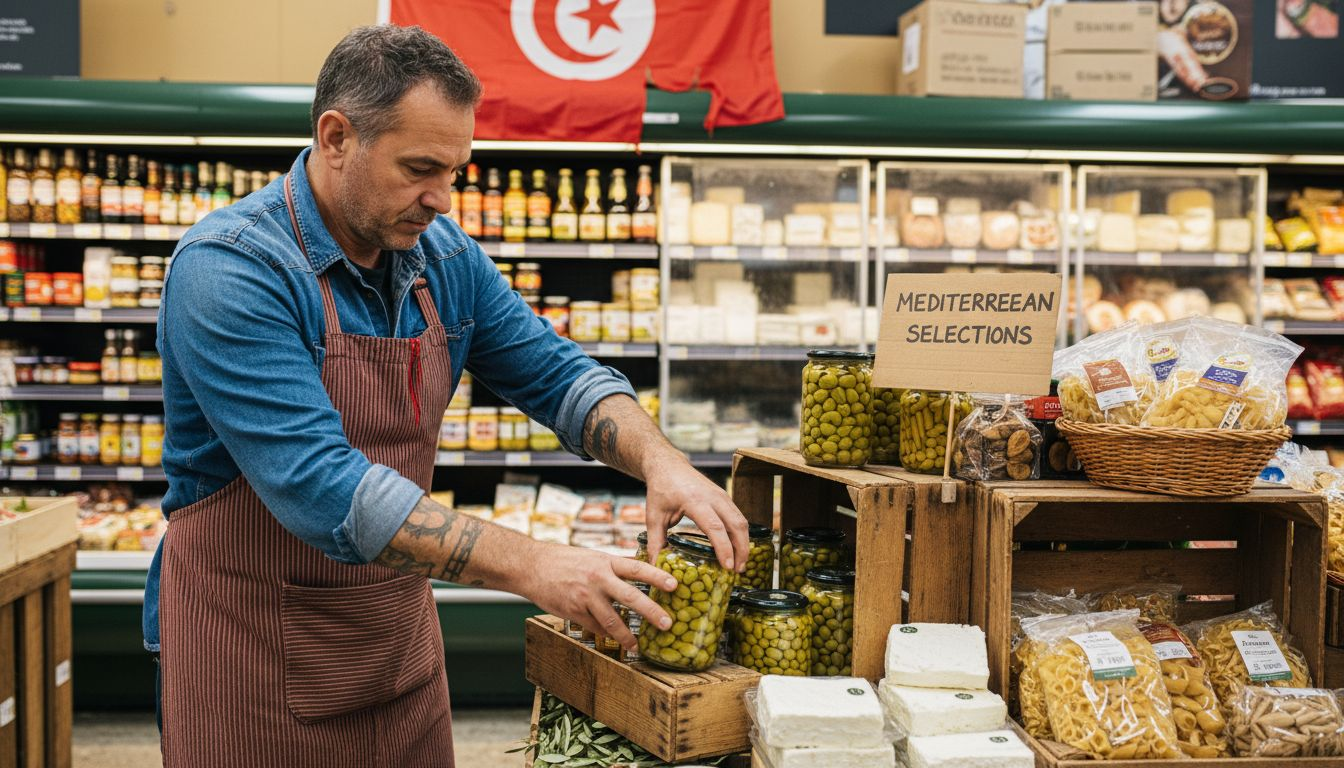
Consumer demand drives the continuous expansion and specialization of international grocery categories. Each region brings unique culinary traditions that transform simple ingredients into complex, culturally rich food experiences. Modern international grocery platforms bridge geographical distances, allowing consumers to explore global flavors without leaving their kitchens.
Here is a summary of how regional variations shape international grocery categories:
| Region | Typical Grocery Products | Distinctive Characteristic |
|---|---|---|
| Asia | Rice, noodles, fermented sauces | Emphasis on diverse grains and spices |
| Latin America | Cornmeal, dried beans, chili pastes | Bold flavors and unique snack options |
| Europe | Cured meats, cheeses, olive oils | Focus on artisanal and preserved foods |
| Middle East | Wheat pita, lentils, spice blends | Complex spice mixtures, vegetarian focus |
Pro Tip: Culinary Exploration: Start your international grocery journey by selecting one product category from a specific region, then gradually expand your collection to build a diverse and authentic global pantry.
How Online International Grocery Platforms Operate
Online international grocery platforms represent a sophisticated digital ecosystem that transforms global food sourcing and distribution. Online grocers have developed complex operational models that enable seamless product acquisition and delivery, leveraging technology to bridge geographical and cultural food landscapes.
The core operational framework of these platforms typically involves several critical components:
- Digital Storefront Design
- Multilingual website interfaces
- High-resolution product imagery
- Detailed ingredient and origin descriptions
- Inventory Management
- Real-time stock tracking
- Direct relationships with international suppliers
- Rigorous quality control processes
- Logistics and Fulfillment
- Temperature-controlled shipping
- Customs documentation management
- Expedited international delivery options
Internationalization strategies in retail grocery reveal intricate adaptation mechanisms that allow platforms to navigate complex regulatory environments and consumer expectations. Successful platforms must balance authenticity, regulatory compliance, and customer experience while maintaining competitive pricing and product diversity.
Modern international grocery platforms function as more than simple transactional websites. They serve as cultural bridges, educational resources, and culinary exploration portals that connect consumers with genuine global food traditions. Advanced platforms integrate features like recipe suggestions, cooking tutorials, and cultural context to enhance user engagement and understanding.
This table compares key operational features of online international grocery platforms:
| Operational Feature | Customer Benefit | Business Impact |
|---|---|---|
| Real-time Inventory | Accurate product availability | Reduces backorders and delays |
| Multilingual Interface | Easier shopping for diverse users | Expands customer reach |
| Temperature-controlled Shipping | Fresh delivery of perishable goods | Lowers spoilage, boosts trust |
| Recipe Integration | Inspires new meal ideas | Increases user engagement |
Pro Tip: Global Shopping Strategy: Research shipping regulations and potential customs fees before ordering international grocery products to avoid unexpected additional charges and ensure smooth delivery.
Sourcing, Quality, and Delivery Logistics Explained
International grocery sourcing represents a complex, multifaceted process that demands sophisticated logistics and rigorous quality control. Importing foreign food products requires navigating intricate regulatory standards and ensuring product authenticity, making it far more nuanced than traditional domestic grocery procurement.
The sourcing framework for international grocery platforms typically involves several critical stages:
- Supplier Selection
- Direct partnerships with regional producers
- Verification of manufacturing certifications
- Comprehensive background checks on production facilities
- Quality Assurance
- Laboratory testing for ingredient purity
- Sensory evaluation protocols
- Compliance with international food safety standards
- Transportation Considerations
- Climate-controlled shipping containers
- Expedited customs clearance procedures
- Minimized product handling to preserve integrity
Online grocery platforms have developed sophisticated operational models to manage the complexities of international product distribution, addressing challenges related to preservation, temperature control, and regulatory compliance. These systems ensure that products maintain their original quality from source location to consumer delivery.
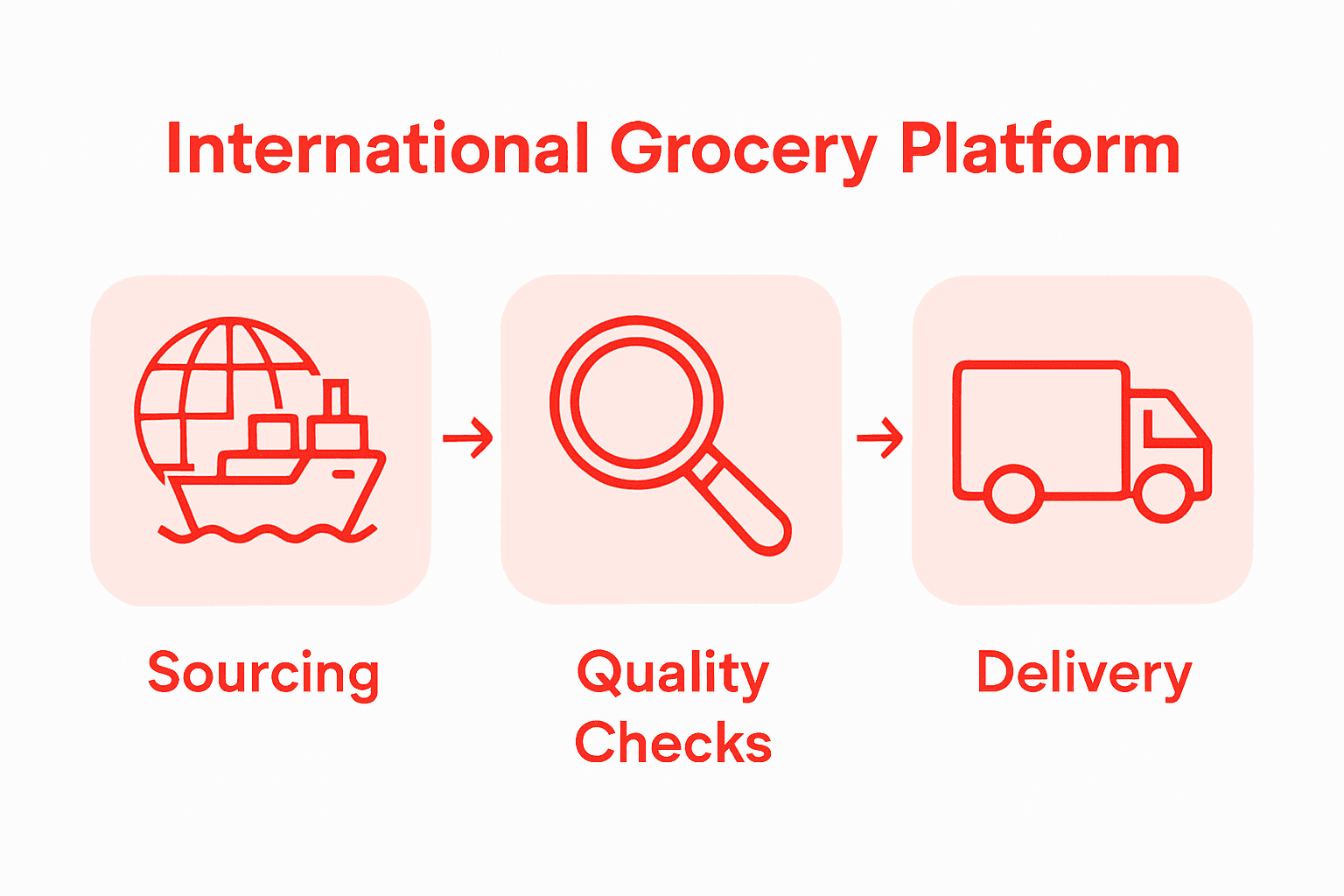
Successful international grocery sourcing transcends mere transactional processes. It represents a delicate balance between preserving cultural authenticity, meeting rigorous safety standards, and delivering exceptional customer experiences. Advanced platforms invest extensively in technology and human expertise to create transparent, reliable supply chains that connect global producers with discerning consumers.
Pro Tip: Smart Sourcing Strategy: Always request detailed product documentation and origin certificates when purchasing international grocery items to verify authenticity and ensure you’re receiving genuine, high-quality ingredients.
Key Challenges for Businesses and Consumers
International grocery platforms face a complex landscape of challenges that test both operational capabilities and consumer trust. Navigating the intricate regulatory environment requires sophisticated strategies to ensure product authenticity and compliance, creating significant barriers for businesses entering this specialized market.
Key challenges can be categorized across multiple dimensions:
- Business Operational Challenges
- Complex international shipping regulations
- Maintaining product quality during transit
- Managing currency exchange fluctuations
- Developing reliable international supplier networks
- Consumer-Facing Challenges
- Understanding unfamiliar product specifications
- Navigating potential language barriers
- Assessing genuine product authenticity
- Managing expectations around delivery times
- Regulatory and Compliance Issues
- Meeting diverse food safety standards
- Handling customs documentation
- Ensuring transparent ingredient labeling
- Managing import/export restrictions
The international grocery ecosystem demands extraordinary adaptability from businesses. Successful platforms must simultaneously manage technological infrastructure, cultural nuances, logistical complexities, and consumer expectations. This requires substantial investment in research, technology, and human expertise to bridge global culinary traditions while maintaining rigorous quality standards.
Consumers and businesses alike must develop sophisticated approaches to overcome these multifaceted challenges. Cultural intelligence, technological innovation, and commitment to transparency become critical success factors in creating meaningful connections across global food markets.
Pro Tip: Risk Mitigation Strategy: Always verify a platform’s certification and compliance credentials before making international grocery purchases to minimize potential shipping, quality, and authenticity risks.
Explore Authentic Global Flavors Effortlessly with snfood.gr
The article highlights challenges such as navigating complex international sourcing, ensuring product authenticity, and overcoming delivery hurdles. At snfood.gr, we understand these concerns and make it simple for you to access premium international grocery products from diverse cuisines including Asian, Indian, and African. Whether you seek staple ingredients like rice and spices or specialty packaged goods, our platform guarantees high-quality items with reliable delivery within Greece.
Why struggle with uncertain quality or confusing import processes? Discover a seamless shopping experience where cultural diversity and culinary exploration meet convenience and trust. snfood.gr is designed to be your gateway to authentic global food traditions with fast online ordering and tailored wholesale solutions.
Start your journey of genuine international flavors now.
Browse our selection today at snfood.gr and unlock access to trusted global ingredients delivered right to your doorstep. Embrace culinary diversity while avoiding the typical challenges discussed in the article—quality control, complex logistics, and unfamiliar products are all managed expertly here. Take the next step toward a vibrant kitchen filled with world cuisine staples by exploring our offerings made just for food enthusiasts and businesses alike.
Frequently Asked Questions
What types of products can I find in international grocery stores?
International grocery stores offer a diverse range of products including staple grains, spices, condiments, preserved foods, and specialty items that reflect various culinary traditions. This diversity allows consumers to explore authentic ingredients used in global cuisines.
Are the prices of international grocery products usually higher than local products?
Not necessarily. While some specialty items may be priced higher due to import costs, many international grocery products are competitively priced, especially when bought in bulk or through online platforms.
How can I ensure the quality of products from international grocery stores?
To ensure quality, choose reputable international grocery providers that maintain strict quality control standards and adhere to import regulations. Look for products with clear labeling, certifications, and origin information.
What is the importance of exploring international grocery products?
Exploring international grocery products enhances culinary experiences by introducing consumers to diverse flavors, cooking traditions, and authentic ingredients. It fosters cultural exchange and allows for new culinary adventures in home cooking.